ExpressVPN Review 2026: The Only Shield That Didn't Slow Me Down
A first-hand account of how ExpressVPN’s Lightway protocol and TrustedServer technology provide a seamless, secure connection for travelers and freelancers in 2026.
The rain was lashing against the windows of a cramped coffee shop in downtown Berlin, and I was staring at a spinning loading icon that refused to budge. I had an urgent deadline for a client, a public Wi-Fi connection that felt like it was powered by a hamster wheel, and a growing sense of dread that my data was being harvested by every script-kiddie in the room. This was the moment I realized that in 2026, digital survival isn't about having the fastest hardware; it's about having the most reliable shield.
The Day the Connection Broke
I remember the specific frustration of trying to access a secure banking portal while traveling. The screen would flicker, a "Connection Not Private" warning would pop up, and I’d be forced to disconnect. My digital life felt fragmented. I was constantly toggling between free hotspots and expensive cellular data, worried about who might be watching my traffic. It wasn't just about privacy; it was about the basic ability to use the internet without borders or bottlenecks.
I had tried the bargain-bin VPNs before. You know the ones—the services that promise the world for free but end up selling your browsing habits to the highest bidder or slowing your connection to a crawl. They were like umbrellas made of tissue paper. They looked the part until it actually started to rain. That wet Tuesday in Berlin, I finally hit "Subscribe" on ExpressVPN, and the narrative of my online life changed instantly.
1. The Speed That Silenced the Skepticism
My biggest fear with any VPN has always been the "speed tax." I grew up in an era where turning on encryption meant your fiber-optic connection suddenly felt like a 56k dial-up modem. I expected the same struggle when I first toggled the large power icon on the ExpressVPN app. I was prepared for the lag, the stuttering video calls, and the slow-motion downloads.
Instead, something strange happened: nothing changed. The speed tests showed a drop so negligible that my human eyes couldn't perceive it. Whether I was hopping onto a server in Tokyo or London, the Lightway protocol—their custom-built engine—kept the data flowing like water. It was the first time I felt that security didn't have to be a trade-off for performance. For a freelancer who lives on video calls and large file transfers, this wasn't just a feature; it was a lifeline.
2. The Fortress of Digital Solitude
We often talk about "privacy" as if it’s a vague concept, but for me, it became concrete when I started working out of shared coworking spaces. In 2026, the threats are more sophisticated than they were a decade ago. Man-in-the-middle attacks and data sniffing are no longer just terms in a textbook; they are daily realities for anyone using public networks.
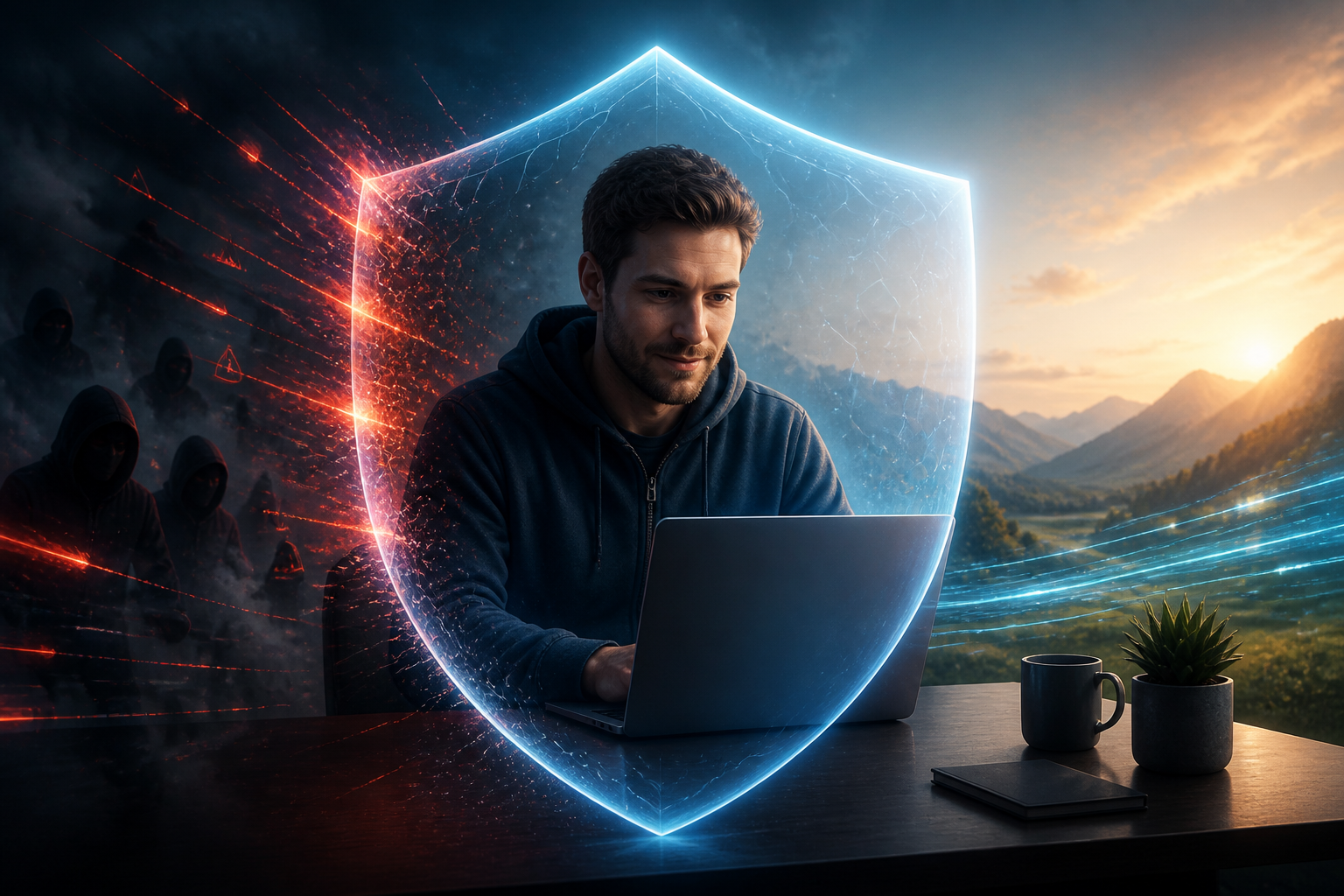
ExpressVPN’s commitment to "TrustedServer" technology transformed my anxiety into confidence. Their servers run on RAM, not hard drives, meaning that every time a server reboots, all data is physically wiped. There is no digital footprint left behind. When I access my sensitive accounts, I’m no longer wondering if the coffee shop router is keeping a log of my activity. I am operating within an encrypted tunnel that even my ISP can't peek into.
Breaking the Geofence
Streaming Freedom: I could finally watch the local news from my hometown while sitting in a different time zone.
Global Markets: Accessing region-specific research tools became seamless.
Unfiltered Access: In countries with heavy censorship, the internet finally felt like the open resource it was intended to be.
3. Simplicity in a Complex World
I’ve recommended various tech tools to my parents over the years, and usually, it ends in a long tech-support phone call. The beauty of ExpressVPN is that it’s built for the "set it and forget it" crowd. The interface hasn't succumbed to the feature-creep that ruins so many modern apps. It’s a button. You press it, it turns green, and you are safe.
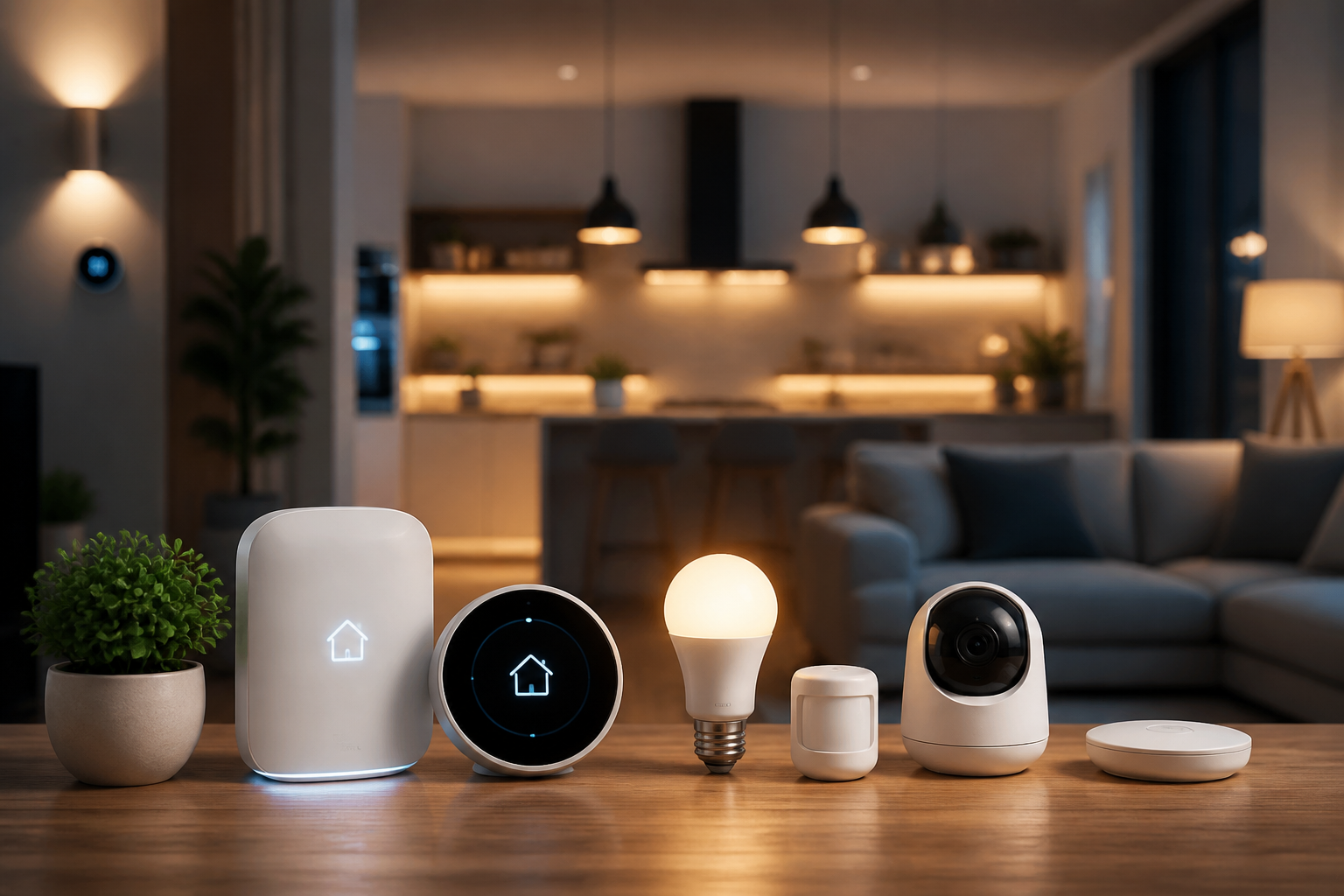
In mid-2026, as our homes become filled with even more connected devices—from smart fridges to AI-driven home hubs—protecting the entire network has become the new priority. I ended up installing the service directly on my router. Suddenly, my gaming console, my tablet, and even my smart TV were all protected under a single umbrella. No individual app logins required; the house itself was invisible to the buitenworld.
4. The Value Equation of 2026
There was a time when high-end security was a luxury reserved for corporate executives or tech enthusiasts with deep pockets. I remember looking at the pricing models years ago and thinking, "Is this worth a monthly lunch?" But as the digital landscape became more hostile, the perspective shifted. The cost of a single data breach or a stolen identity far outweighs the price of a subscription.
Today, with ExpressVPN positioned at $2.49 per month, the entry barrier has effectively collapsed. It’s no longer a "premium upgrade"—it’s a basic utility, much like paying for electricity or water. For the price of a single cup of coffee, I bought myself a month of total digital peace of mind. It’s rare to find a tool that actually delivers more value than its price tag suggests, but in the realm of cybersecurity, this has become the gold standard.
"Security is not a product, but a process. And in 2026, that process needs to be invisible to the user to be truly effective."
Conclusion
My journey from a panicked freelancer in a Berlin coffee shop to a secure global citizen didn't happen because I became a coding expert. It happened because I chose the right tools. ExpressVPN stopped being just an app on my phone and became the foundation of how I interact with the world. It provides the four pillars I now consider essential: speed, privacy, simplicity, and affordability. Whether I’m working from a balcony in Lisbon or my home office, the green light on that app is my signal that I am free to explore the web on my own terms. The internet is a wild place, but you don't have to walk through it unprotected.