6 Tech Innovations Inside the 2026 World Cup Soccer Ball
Discovery the high-tech secrets of the 2026 World Cup soccer ball, featuring internal sensors, instant offside data, and wireless charging for a faster game.
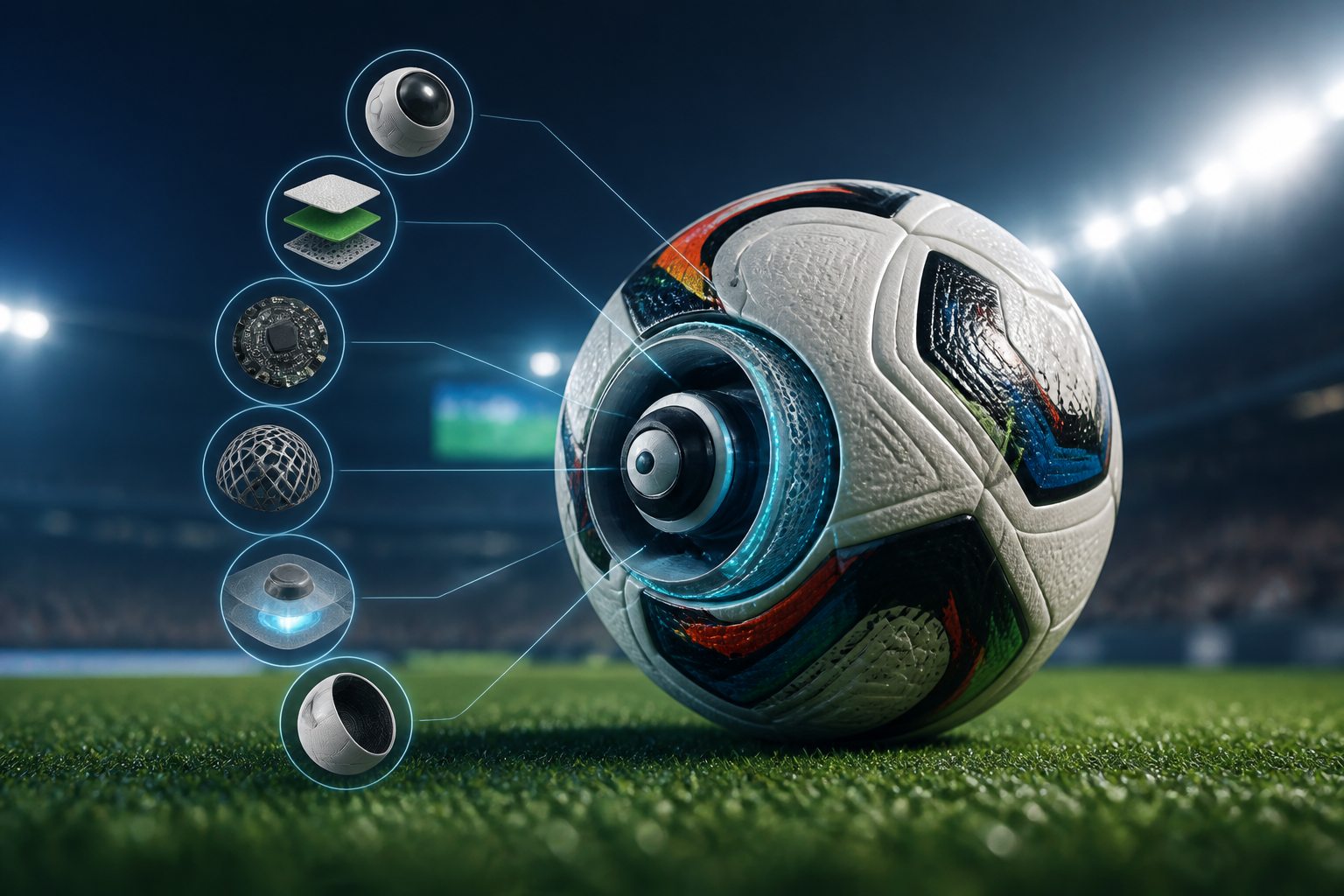
The 2026 FIFA World Cup is coming to North America, and while the players are the stars, the most advanced piece of technology on the field might be the ball itself. In 2026, soccer is no longer just a game of grass and leather; it is a game governed by high-speed data and microscopic sensors hidden inside the ball's core.
1. The Inertial Measurement Unit (IMU) Sensor
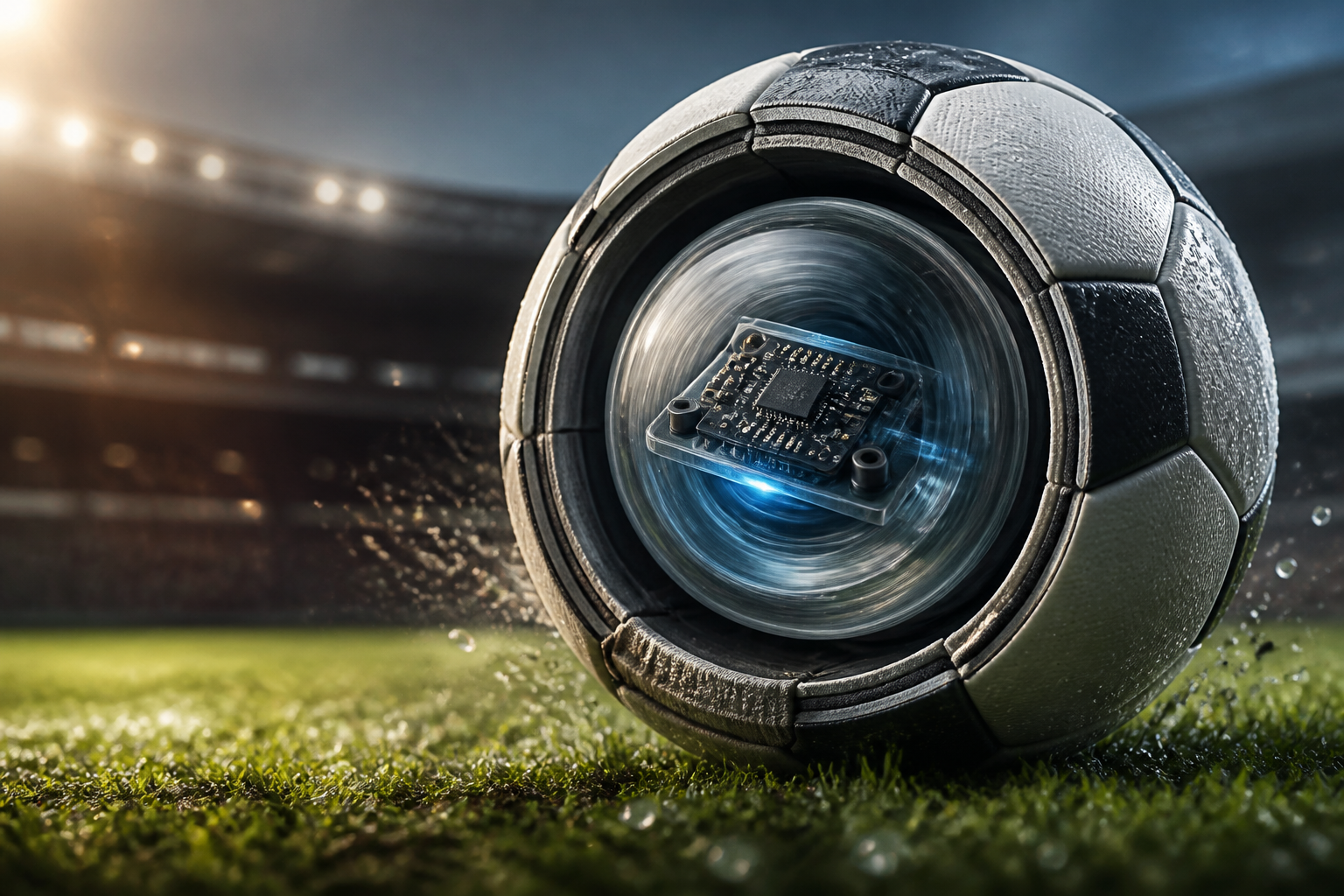
At the center of every official 2026 World Cup match ball sits a tiny device called an Inertial Measurement Unit, or IMU. This sensor is incredibly small, but it does a massive job. It tracks every movement the ball makes in real-time.
The sensor measures three main things:
Acceleration: How fast the ball picks up speed after a kick.
Rotation: How many times the ball spins per second.
Orientation: The exact angle of the ball while it is in the air.
This data is sent to officials 500 times per second. To give you an idea of how fast that is, a human eye blinks about three times per second. The ball is "talking" to the computers much faster than we can see.

2. Semi-Automated Offside Technology
One of the biggest reasons for putting tech inside a soccer ball is to fix the problem of offside calls. In the past, referees had to pause the game for several minutes to look at video replays. In 2026, the process is much faster.
The sensor in the ball works with 12 dedicated cameras placed around the stadium roof. These cameras track 29 different points on every player's body. When the ball is kicked, the sensor records the exact "kick point" timing. The computer then combines the player’s position with the ball’s position to tell the referees if a player was offside instantly.
This helps the game stay fluid and fast. Fans no longer have to wait five minutes for a celebration to be confirmed or canceled.
3. The Suspension System
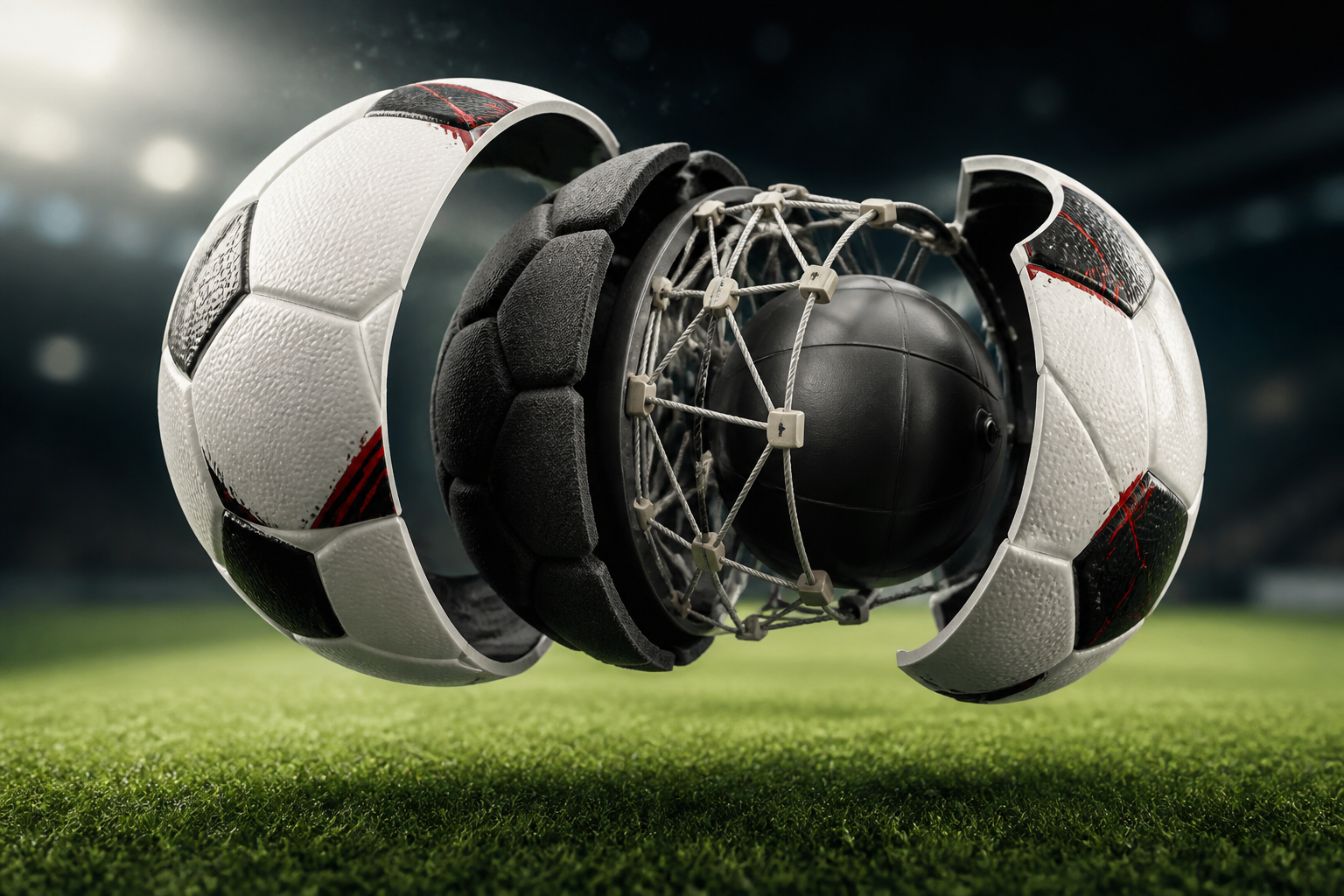
You might wonder how a delicate electronic sensor survives being kicked by a professional athlete. Professional players can kick a ball at over 80 miles per hour. If you just taped a sensor inside, it would shatter instantly.
Engineers created a special suspension system to protect the electronics:
The Cradle: The sensor is held in the center of the ball by a network of tension strings.
Shock Absorption: These strings act like tiny bungee cords. They soak up the impact when the ball hits a foot, a head, or a goalpost.
Balance: The system is so light that it doesn't change how the ball flies. Players say it feels exactly like a traditional soccer ball.
4. Induction Charging and Batteries
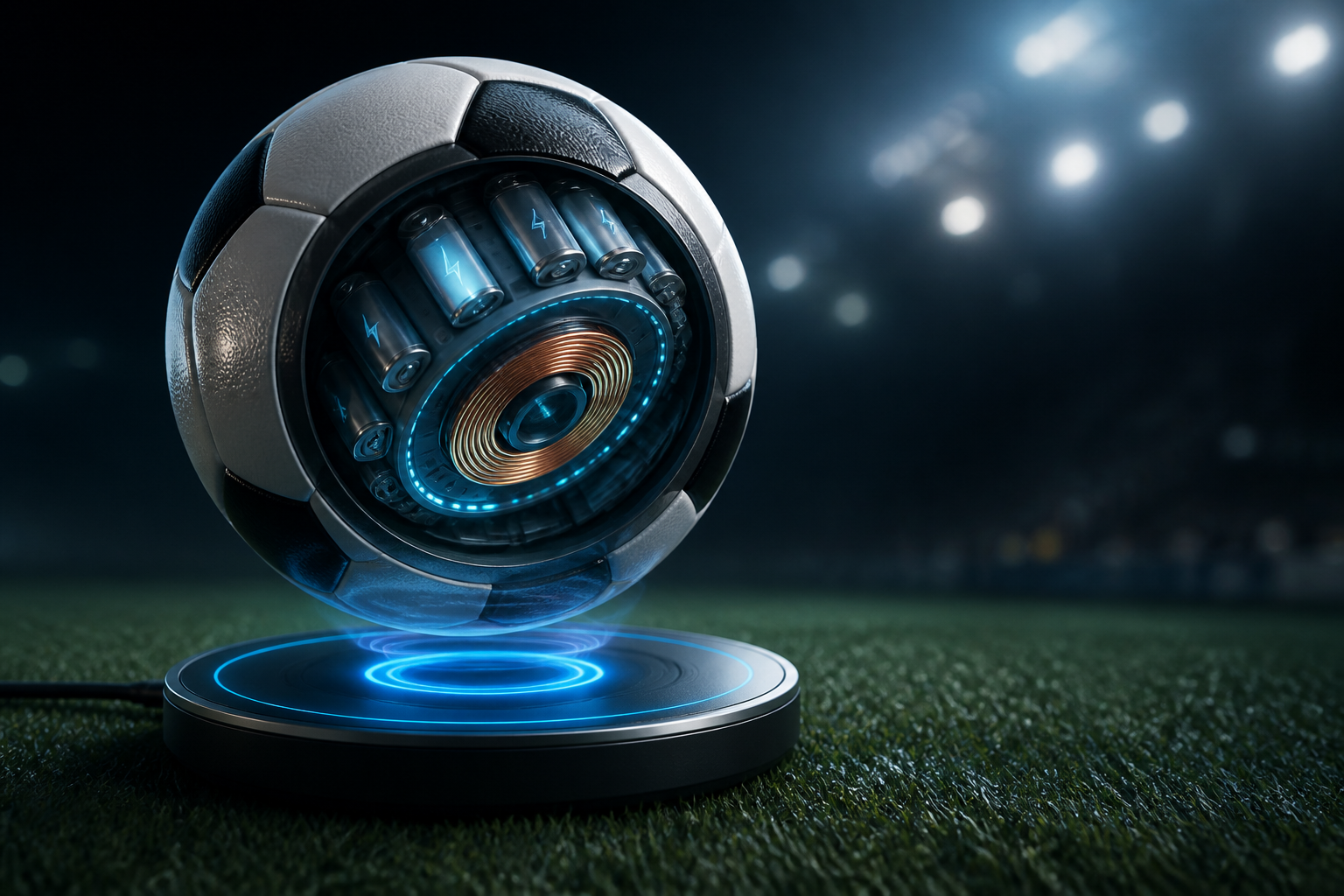
Because the ball has a sensor, it needs power. However, you can't exactly plug a soccer ball into a wall outlet with a USB cable. Instead, the 2026 match balls use induction charging.
This is the same technology many people use to charge their smartphones wirelessly. Before a match, the balls are placed on a special charging pad. Once they are "full," the battery lasts for about six hours of active use, or up to 18 days if the ball isn't being kicked.
If a ball runs out of power during the game, the referees simply swap it for a fresh one from the sidelines. The data stream is never interrupted.

5. Connected Ball Data for Fans
The technology isn't just for the referees. In 2026, FIFA is using this data to make the broadcast more exciting for people watching at home or on their phones. This is a huge leap in how we consume sports stats.
During a replay, you might see graphics on your screen that show:
The exact speed of a shot in kilometers or miles per hour.
The amount of "drift" or curve on a free kick.
A 3D map of how the ball moved through the air.
This data makes the game feel more like a video game. It helps casual fans understand just how much skill is required to make the ball move the way the pros do.
6. Water-Based Inks and Sustainable Materials
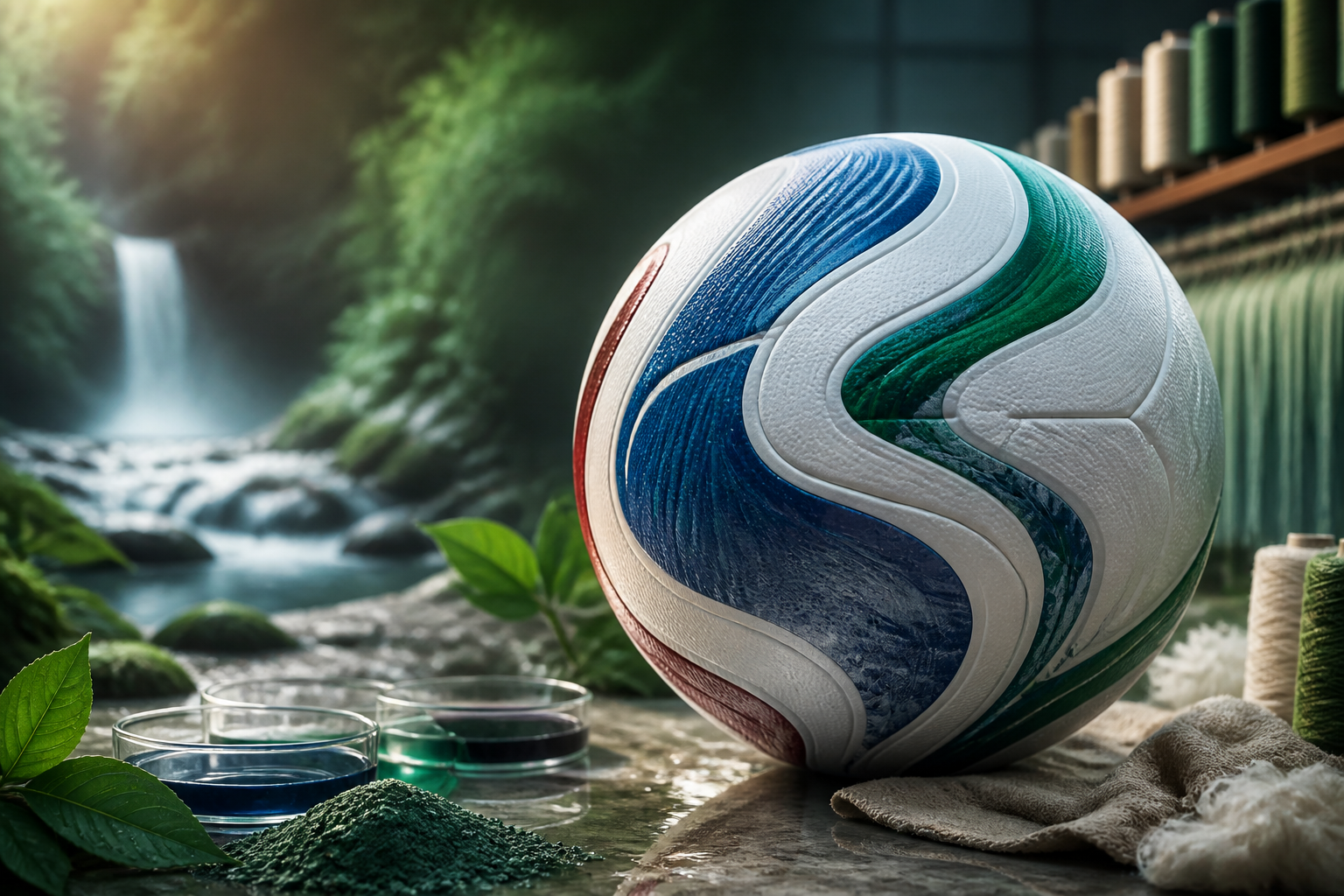
Modern ball technology isn't all about circuits and sensors; it also involves the chemistry of the outer shell. The 2026 tournament balls utilize advanced water-based inks and sustainable skin materials that improve the ball's aerodynamics. Unlike older designs that could become heavy or slick in the rain, these thermal-bonded panels ensure the tech inside stays dry and the exterior flight path remains consistent in any weather condition found across the North American host cities.
Conclusion
The 2026 World Cup is showing us that the future of sports is digital. By putting sensors, suspension systems, and wireless charging inside a simple soccer ball, the game becomes fairer and more exciting. These 6 technical innovations ensure that every goal is counted correctly and every fan gets to see the game in high-definition detail.