What Is a VPN? How They Work and Why You Need One
In 2026, a VPN is a fundamental utility for digital privacy. This guide explains how encrypted tunnels work, the role of IP masking, and why you need one to secure your data.
In an era where digital footprints are tracked with surgical precision, the Virtual Private Network (VPN) has transitioned from a niche corporate tool to a fundamental utility for private citizens. As we navigate the complex web of 2026, understanding how these encrypted tunnels operate is essential for maintaining data integrity and personal privacy in an increasingly transparent digital landscape. To fully grasp the utility of this technology, one must look at these 6 essential aspects of its operation and application.
1. The Core Definition of a VPN
A Virtual Private Network is a service that establishes a secure, encrypted connection between a user's device and the internet. Under normal circumstances, when a device connects to a website, the data travels through an Internet Service Provider (ISP). The ISP can see exactly what the user is doing, and the destination website can see the user's unique IP address, which reflects their physical location.
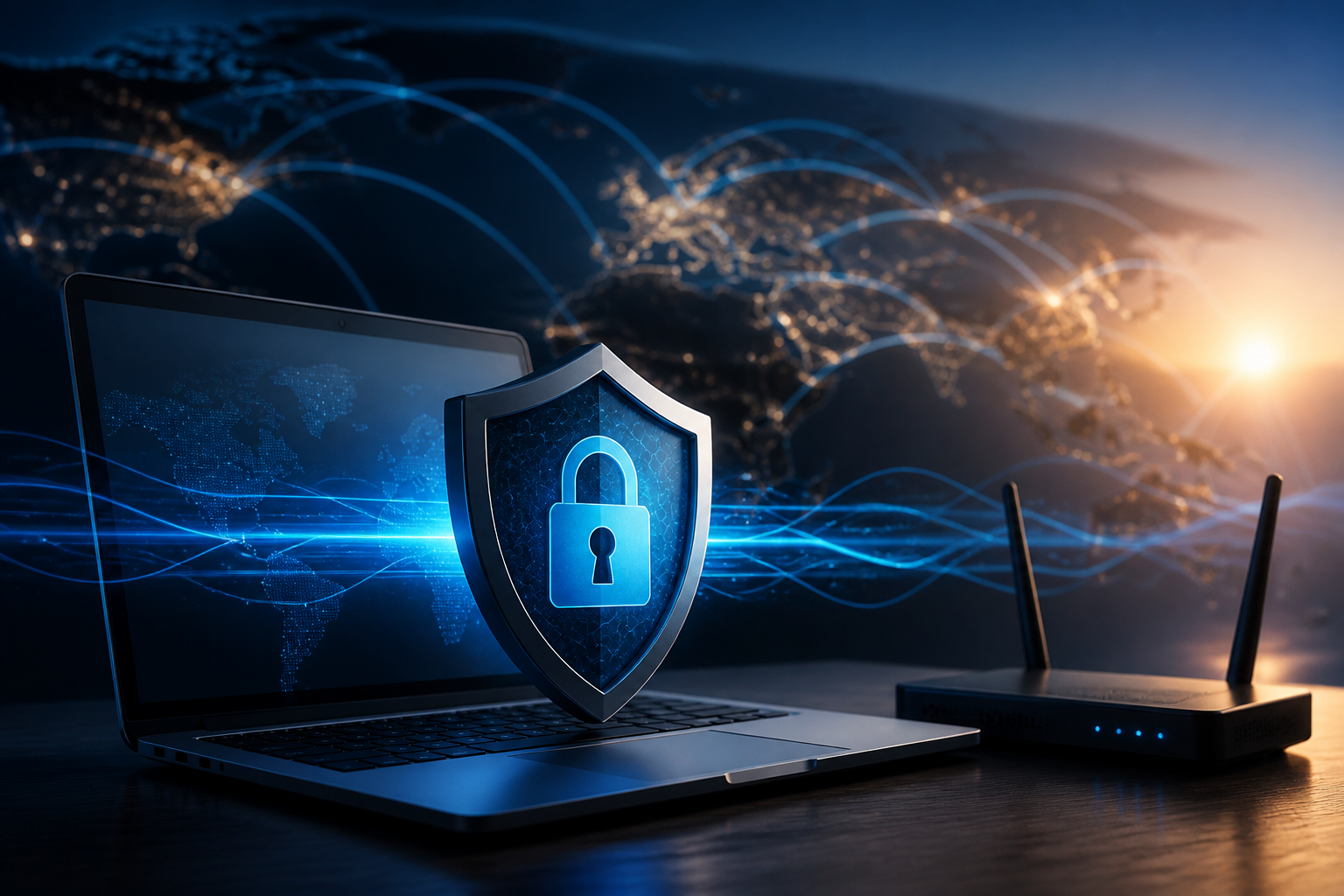
A VPN disrupts this flow by routing the connection through a specialized private server. This process achieves two primary objectives:
Data Encryption: The VPN wraps the user’s data in an encrypted "tunnel," making it unreadable to third parties, including ISPs, hackers, and government agencies.
IP Masking: The user’s actual IP address is replaced by the IP address of the VPN server. To the outside world, it appears as though the traffic is originating from the server’s location rather than the user’s true home or office.
2. How the VPN Tunnel Works
To understand the technical mechanics, one must look at the "encapsulation" process. When a VPN is active, it acts as a digital intermediary. The process follows a specific lifecycle from the moment a request is sent to the moment a webpage loads. First, the VPN client software initiates an authentication "handshake" to agree on security protocols. Next, the software encrypts every packet of data and places it inside another packet, known as encapsulation. Finally, the VPN server decrypts the info and sends the request to the intended destination, masking the user's origin.
3. Why Businesses and Individuals Use VPNs
While the underlying technology remains consistent, the use cases for VPNs have expanded significantly. In 2026, the motivations for employing a VPN generally fall into three categories: security, access, and privacy. Public Wi-Fi networks in airports and cafes remain notoriously insecure, and a VPN mitigates the risk of man-in-the-middle attacks. Furthermore, the shift toward decentralized workforces has made VPNs a cornerstone of corporate IT infrastructure, ensuring proprietary company data never touches the open internet without protection.
4. Evaluating Different VPN Protocols
The "protocol" of a VPN is the set of rules that determines exactly how the data travels. Different protocols prioritize different aspects of the connection, such as speed or security strength.
OpenVPN: Widely considered the gold standard for security, this open-source protocol is highly configurable and resistant to most forms of detection.
WireGuard: A modern protocol that has gained massive traction by 2026 due to its lean code and exceptional speeds, making it ideal for mobile devices.
IKEv2/IPSec: Particularly effective for mobile users because it is excellent at reconnecting if the user temporarily loses their signal.
Performance remains a key differentiator among top-tier providers. For instance, in an ExpressVPN Review 2026, the focus is often on how proprietary protocols attempt to balance high-level encryption with the low latency required for 4K streaming.
5. Common Myths and Limitations
Despite their power, VPNs are not magic "incognito" buttons that solve every digital problem. It is important to distinguish between what a VPN can and cannot do. A few common misconceptions include:
Total Anonymity: While a VPN hides your IP, it cannot stop a website from tracking you via cookies or "browser fingerprinting" if you stay logged into a social media account.
Legal Immunity: Using a VPN does not make illegal activities legal. Reputable providers have "no-logs" policies, but they are still subject to the laws of their home jurisdiction.
Speed Increases: Generally, a VPN will slightly slow down your connection because of the encryption overhead.
6. Choosing the Right VPN Provider
Selecting a provider in 2026 requires looking beyond marketing claims. A high-quality VPN should be evaluated based on specific criteria including a verified no-logs policy, kill switch functionality to prevent accidental data leaks, and a jurisdiction located in a privacy-friendly nation. Additionally, a large server network provides more options for bypassing congestion and finding a fast server near your physical location.
Conclusion
A VPN is a vital pillar of modern cybersecurity that functions by encrypting data and masking a user's IP address. By routing traffic through secure tunnels and utilizing advanced protocols like WireGuard or OpenVPN, these services protect personal information from ISPs and malicious actors alike. While they do not provide absolute anonymity, a reputable VPN remains an essential tool in 2026 for anyone seeking to reclaim their privacy and navigate the digital world with peace of mind.